



How to Use Turnitin — From Signing In to Reading Your Report

Learning how to use Turnitin usually means learning your school’s workflow, not just one website. Some students submit through Canvas, Moodle, or Blackboard, while instructors may manage reports inside Turnitin or an LMS integration.
This guide walks through the main steps: logging in, submitting a paper, reading a Similarity Report, understanding teacher settings, and choosing safer options when you do not have direct Turnitin access.
How to Log In to Turnitin
It's widely known as one of the go-to tools for maintaining academic integrity in schools and universities. Turnitin is more than just a plagiarism checker—Turnitin offers a range of features that support both teaching and learning. These include tools like similarity detection, AI writing indicators, inline grading with Feedback Studio, peer review assignments via PeerMark, and rubrics through GradeMark. However, its most popular use is integrating with learning management systems (LMS) like Canvas, where instructors can check student submissions for originality and now, even signs of AI-generated text.
But here’s something important: you can no longer log in to Turnitin directly via Turnitin.com to submit papers or manage assignments. That method has been phased out. Instead, both students and instructors must access Turnitin through their school’s LMS, such as Canvas, Moodle, Blackboard, or similar platforms. This shift was made to streamline user experience and keep everything within one system.

How to Use Turnitin Without a Turnitin Account
If you are not enrolled in a Turnitin class, you usually cannot create your own full student workspace. Turnitin access is normally controlled by a school, instructor, publisher, or institution.
You still have responsible options for checking your draft before submission, but avoid borrowed accounts, unclear paid uploads, or anything that may store your paper in the wrong repository.
1. Use TurnitinDetector.com Without Turnitin Class ID
If you want to see what your similarity score might be before handing in your final paper, you won’t be able to use Turnitin’s official system unless your instructor has created a draft assignment.
That said, there’s a helpful workaround:
👉 Turnitindetector is a professional tool that offers a quick similarity check using the same database Turnitin relies on. Many students use it to get a rough preview of their originality score and AI report before officially submitting their assignments.
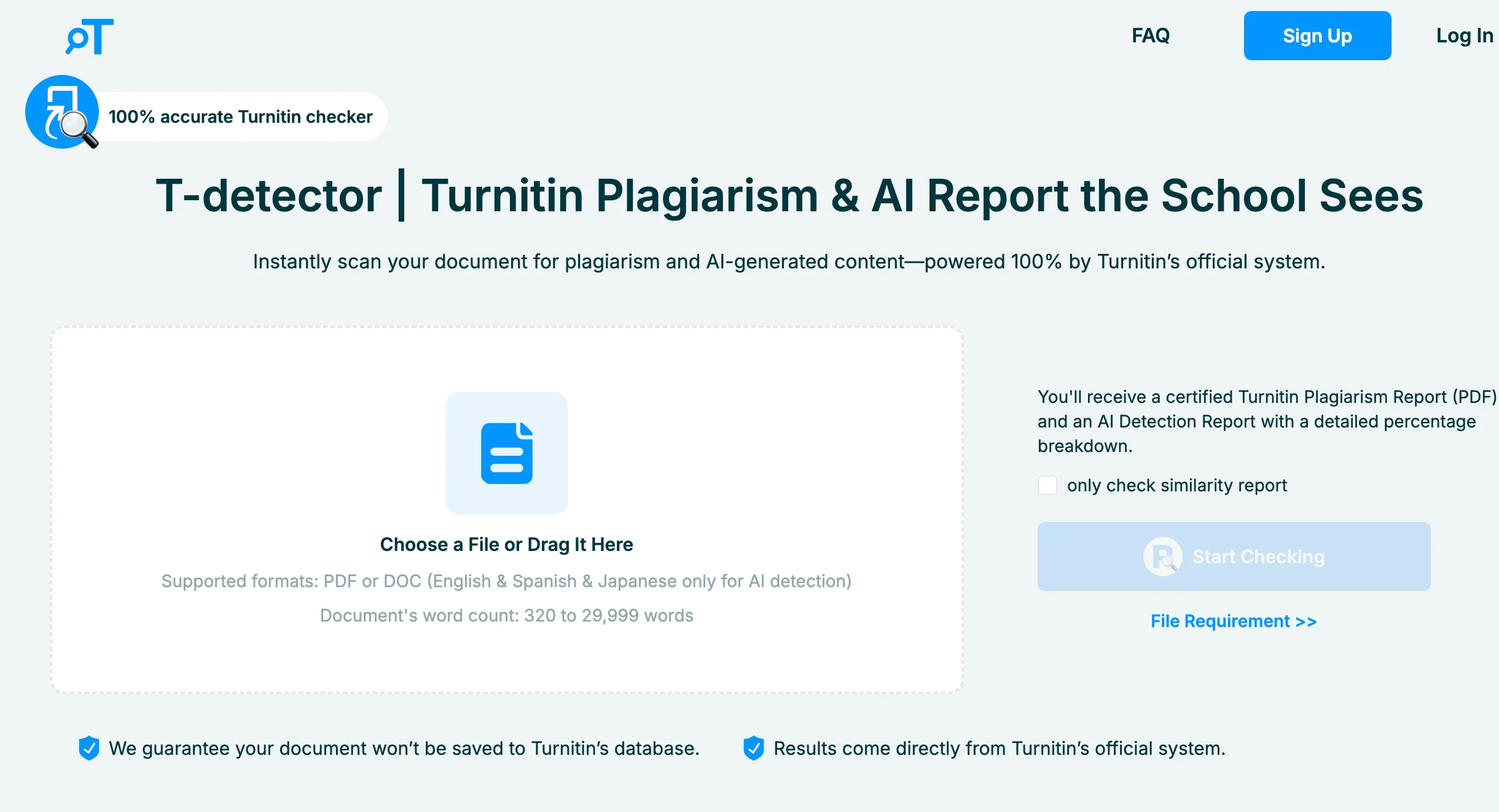
The best part? Your paper won’t be stored in the system, so there’s no risk of it being flagged as self-plagiarism later on. Plus, it can even generate an AI detection report—something students normally can’t access through their school’s Turnitin account, as that feature is typically reserved for teachers.
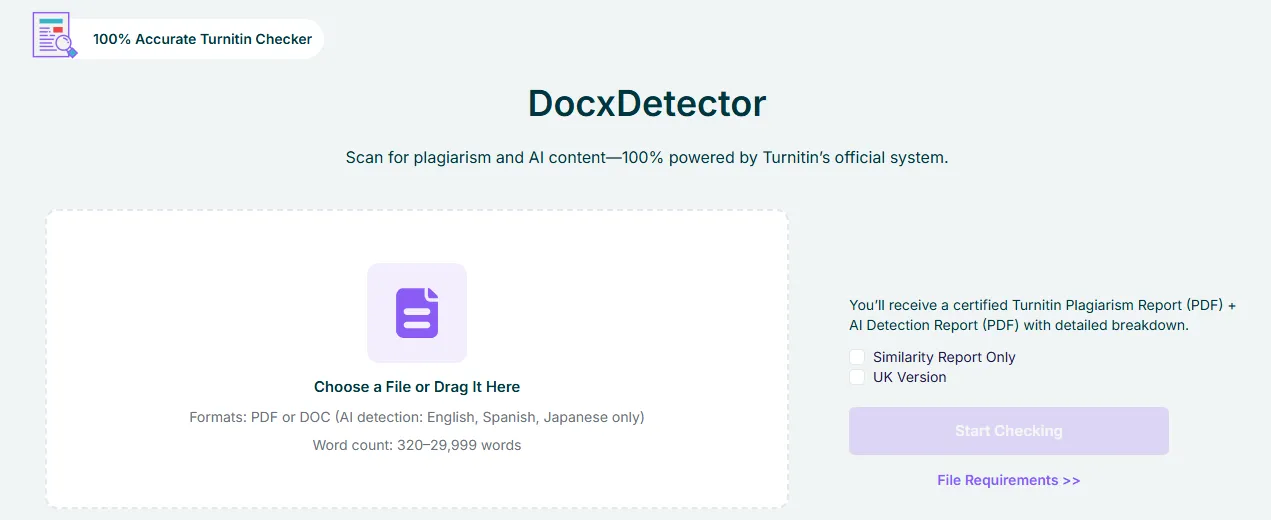
A similar option is DocxDetector, which runs a Turnitin-style similarity and AI writing check on your DOCX file and returns a preview report before official submission.
2. Borrow Access from Someone You Know
Borrowing another person’s Turnitin account is not recommended. It can violate school policy, expose your paper, and create future self-matches if the file is stored in a class repository.
Instead, ask your instructor whether draft submissions, Draft Coach, a writing center, or another approved review option is available.
3. Purchase a Check via Trusted Freelancers
Be careful with freelance Turnitin checks. You may not know whether the person has legitimate access, whether your file is stored, or how your work and personal information are handled.
If you use a paid review service, read the privacy terms and avoid sharing sensitive data. Institution-approved tools are safer.
4. Try iThenticate (For Research Papers)
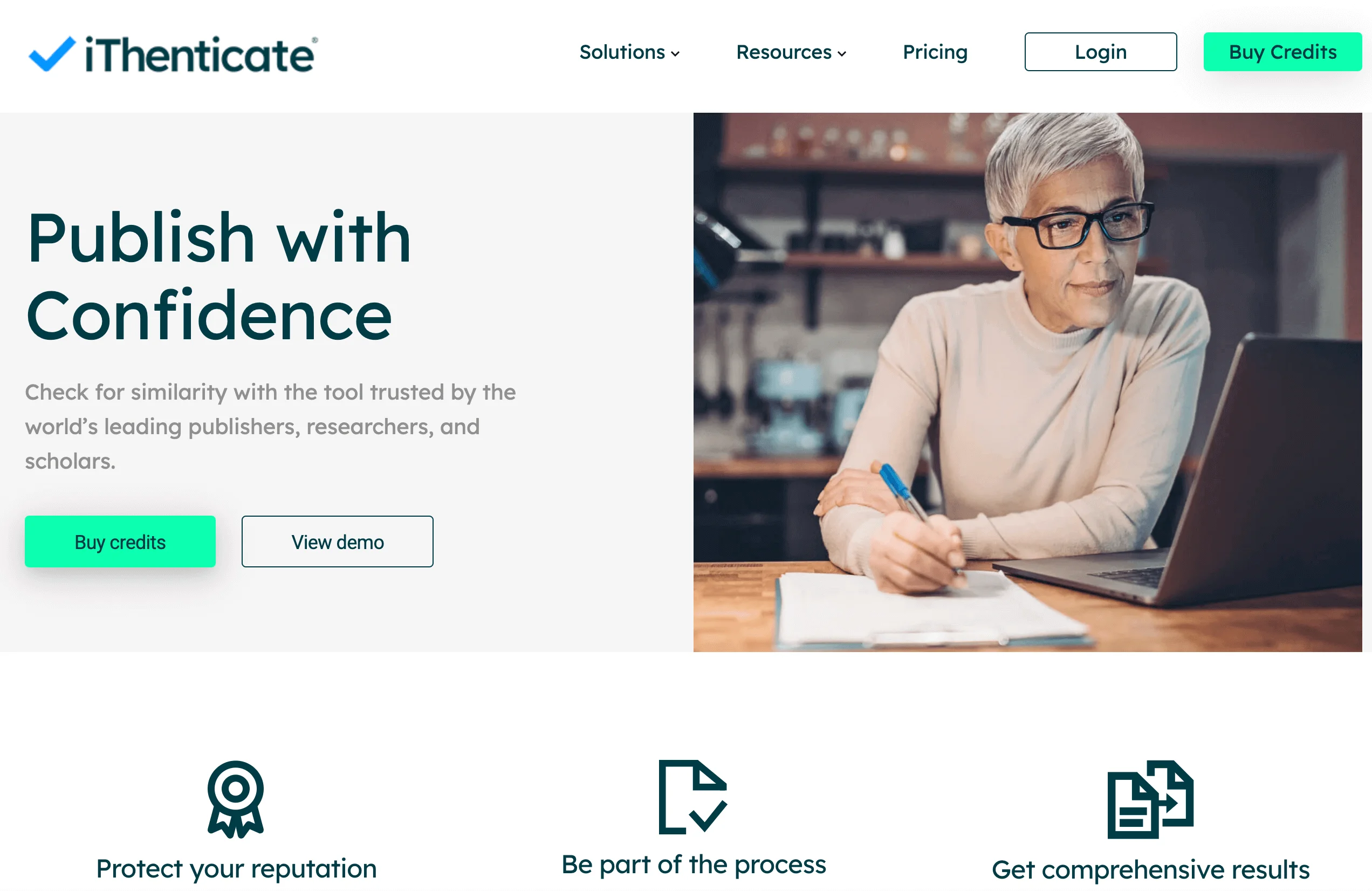
iThenticate is related to Turnitin and is commonly used in publishing and research settings. It may be more appropriate for manuscripts, theses, or journal submissions than a student classroom workflow.
Access and pricing are separate from a typical Turnitin class, so check whether your institution, publisher, or research office already provides it.
How Students Can Use Turnitin
For students, Turnitin is best understood as a submission and feedback workflow. Depending on your instructor’s settings, you may use it to submit a file, see a Similarity Report, review feedback, revise a draft, or confirm that your paper was received.
How to Log In
Most students access Turnitin through a school LMS such as Canvas, Moodle, Blackboard, or Brightspace. Your instructor decides where the assignment appears and whether reports are visible.
Here’s the usual login flow:
Go to your school’s LMS or the Turnitin route your instructor provided.
Log in with your student credentials.
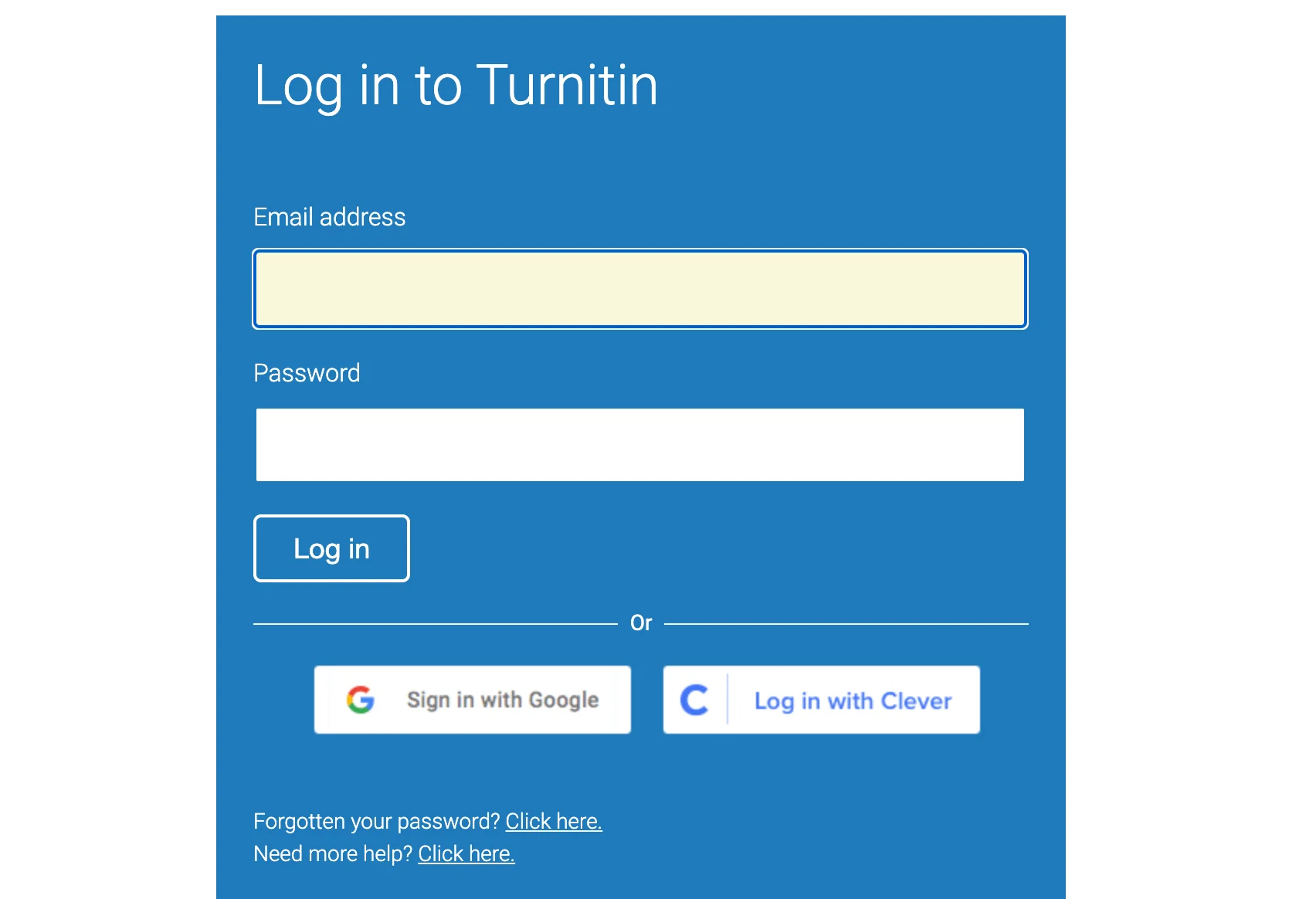
Open the course where the Turnitin assignment is posted.
Click the assignment link and follow the upload instructions inside the LMS.
Tip: direct Turnitin registration with a class ID and enrollment key is still possible in some setups, but many institutions now rely on LMS integration.
How to Submit Your Paper
Once you reach the assignment page, read the instructions before uploading. File type, due date, resubmission rules, and report visibility can vary.
Your instructor sets up the assignment and enables Turnitin where needed.
You sign in through the approved LMS or Turnitin route.
You upload the file, confirm the submission, and save any receipt or confirmation.
If manual enrollment is required, use only the class ID and enrollment key your instructor provides.
How to Access the Similarity Report
After submitting, look for the Similarity Report only if your instructor allows student access. Some reports appear quickly, while others are delayed until a due date or after processing.
If You’re Using an LMS:
Return to the assignment submission page in your LMS.
Find your submitted file and look for the Similarity Score or report icon.
Click the percentage to open the full Similarity Report if student access is enabled.
If the report does not open, check browser pop-up settings or ask your instructor whether reports are hidden.
If You’re Accessing Turnitin Directly:
As mentioned earlier, most students now use Turnitin through their school’s LMS. However, in rare cases, you might access Turnitin directly via the official website. If that's the case, here's how to view your Similarity Report:
Go to Turnitin.com and log in with your student account.
From the top menu, click All Classes to access your homepage.
Find and open the class where your assignment was submitted.
In the Actions column, click View to open the assignment inbox.
Under the Similarity column, click on the percentage score to open your report in a new window.
💡 If the report doesn’t open, make sure your browser allows pop-ups from Turnitin.com.
Resources for Teachers Using Turnitin
For instructors, Turnitin is more than a checking tool. It can support feedback, grading, revision, peer review, and academic integrity conversations when the assignment settings are clear.
Common Features for Teachers
Turnitin gives instructors several tools for reviewing and responding to student work:
Similarity Reports that show matching or similar text for review
Feedback Studio for comments, QuickMarks, and rubric grading
PeerMark for peer review workflows
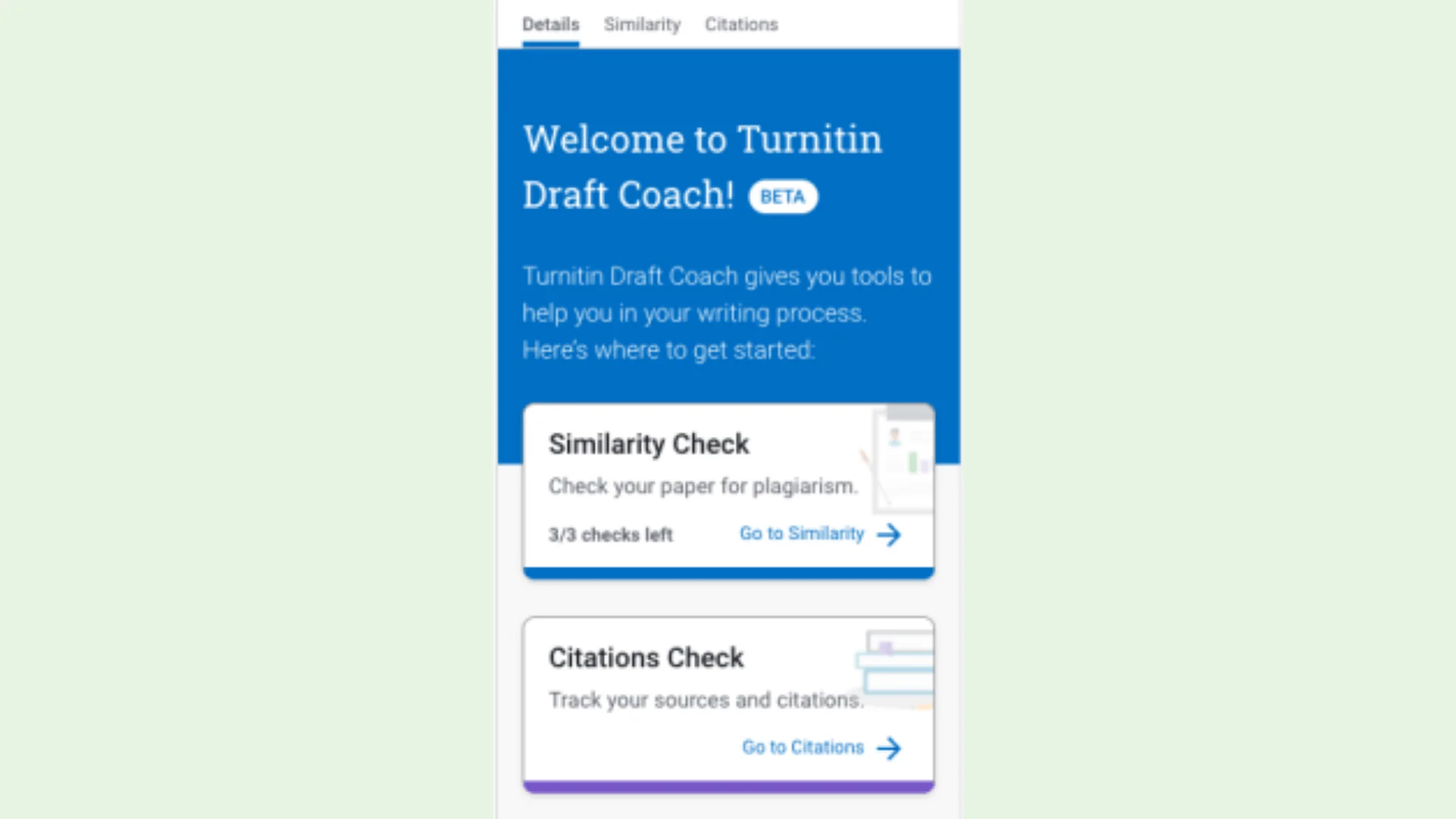
Draft Coach to help students revise before final submission
AI Writing Detection when enabled under the institution’s license
Grading and Rubrics Integration inside supported LMS platforms
Exclusions for bibliographies, quotes, or small matches when appropriate
Clear assignment settings help students understand what Turnitin will show and how reports should be used.
Two Primary Methods for Using Turnitin in Canvas (or other LMS):
1. Enable the Plagiarism Checker
Use this method when you mainly need a Similarity Report inside the LMS workflow:
Turn on the Plagiarism Review or equivalent Turnitin option while creating the assignment.
Let submissions run automatically after students upload their files.
Review reports in SpeedGrader, the assignment inbox, or the LMS report view.
2. Full Turnitin Assignment
Use this when you want the fuller Turnitin grading and feedback workflow:
Create a Turnitin-enabled assignment in Canvas or the supported LMS.
Use Feedback Studio to leave comments, grades, QuickMarks, and rubric feedback.
Check grade-sync behavior before relying on the Canvas Gradebook.
Teaching tip: if your policy allows it, draft reports and resubmissions can turn Turnitin into a revision tool instead of only a final check.
How to Check Assignments
Open the assignment inbox in Canvas or Turnitin.com.
Click the Similarity Score to open the detailed report.
Use filters or exclusions (quotes, bibliography, etc.) to refine the view.
Use the Feedback Studio to comment, grade, and apply rubrics.
If a student submitted before Turnitin was enabled, use the “Resubmit to Turnitin” option in SpeedGrader to trigger the analysis.
What If the File Wasn’t Submitted via Canvas?
You have two safer options if the file needs review outside the normal Canvas assignment:
Option A: Create a temporary or sandbox assignment only if your institution allows it, and choose repository settings carefully.
Option B: Use Draft Coach in Microsoft Word for Office 365 when your institution provides access.
Where to Find Official Guides
Below are some highly useful and up-to-date resources for educators:
Resource Type | Link |
Turnitin LMS Integration Guides | https://guides.turnitin.com/hc/en-us/categories/20524936751757-Turnitin-in-an-LMS |
Cornell Instructor Guide | |
University of Pittsburgh Guide | https://teaching.pitt.edu/resources/using-turnitin-without-a-canvas-assignment/ |
Turnitin Official Instructor Hub | https://guides.turnitin.com/hc/en-us/articles/24008452116749-Welcome-to-Turnitin-Guides |
Best Practices & Teaching Philosophy
Set expectations early: Explain when Turnitin will be used and whether students can view reports.
Use as a learning tool: Allow draft submissions or report review when it supports revision.
Protect student IP: Choose repository settings intentionally, especially for drafts or practice submissions.
Don’t rely solely on Turnitin: Review the source matches, student context, assignment design, and institutional policy before making decisions.

FAQ
How do I log in to Turnitin?
In most cases, you’ll access Turnitin through your school’s Learning Management System (LMS) like Canvas, Moodle, or Blackboard. Just log in to your LMS with your student credentials and go to the assignment your instructor posted. Direct logins at Turnitin.com are rarely required unless your school gives you a Class ID and Enrollment Key.
Is a 36% similarity score on Turnitin bad?
It depends. A 36% match doesn’t automatically mean plagiarism. If your paper includes lots of quotes, references, or commonly used academic phrases, it might show a higher score but still be acceptable. Review the report and talk to your instructor—they’ll decide what’s appropriate for your assignment.
How do I use Turnitin step by step?
Log in to your LMS (like Canvas).
Go to the course and assignment page.
Upload your file to the Turnitin-enabled assignment.
Wait for the Similarity Report to generate.
Review the report and feedback if allowed.
How do I run my paper through Turnitin?
If your instructor has set up a Turnitin-enabled assignment, you just need to upload your paper through your LMS. Turnitin will automatically analyze it after submission. You’ll see the similarity score once the report is ready.
Can I use Turnitin by myself without a class?
Turnitin is a paid service, but it isn’t available for personal purchase or use. It’s licensed to schools only. To use it, you must be enrolled in a class where the instructor has enabled Turnitin or given you access via a Class ID and Enrollment Key.
How much does Turnitin cost?
Turnitin doesn’t offer accounts for individuals. It's only available to institutions (like universities or high schools), and pricing depends on student enrollment size, features, and support needs.
Can I check my paper before submitting the final version?
Possibly. If your instructor allows multiple submissions or has set up a draft assignment, you can use that to check and revise your work. Always ask your teacher what’s allowed.
Conclusion
Using Turnitin well starts with the right access route: your LMS, an instructor-created class, or an institution-approved tool. Once your paper is submitted, the Similarity Report can help you find matches, improve citations, and revise unclear source use.
For preparation before submission, WriterGPT can help organize drafts and sources, while AI Detector Tools can provide detector-style feedback for AI-writing signals. Always follow your instructor’s policy first.